Does Frequency Therapy for Insomnia Work?
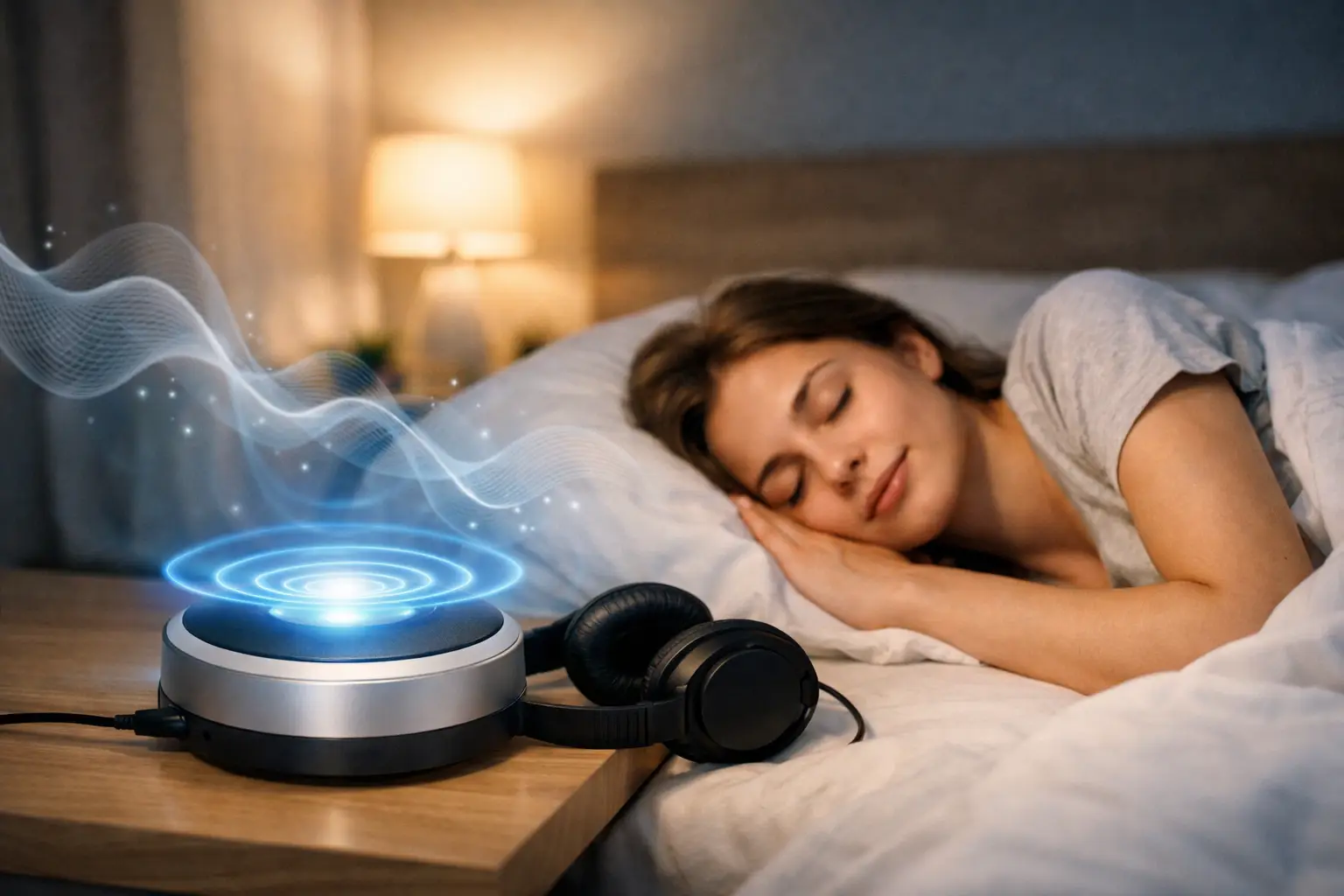
You can feel exhausted all day, climb into bed at the right hour, and still find your mind running laps at 2:13 a.m. That is why so many people start looking beyond pills and sleep hacks. Frequency therapy for insomnia appeals to people who want a non-invasive, at-home option that works with the body instead of forcing it.
For many adults, insomnia is not just about trouble falling asleep. It can look like light sleep, frequent waking, early waking, restless thoughts, muscle tension, or the familiar pattern of being tired but wired. When sleep gets disrupted night after night, the problem often stops feeling simple. That is exactly where sound-based frequency support becomes interesting.
What frequency therapy for insomnia is meant to do
At its core, frequency therapy uses sound frequencies with the goal of encouraging restorative balance in the body and nervous system. The basic idea is straightforward. Every system in the body operates through patterns, rhythms, and electrical signaling. When stress, overstimulation, pain, emotional strain, or chronic imbalance interfere with those rhythms, sleep is often one of the first things to suffer.
Frequency therapy for insomnia is designed to introduce carefully selected sound patterns that may help guide the listener toward a calmer internal state. Instead of sedating the body, it aims to support conditions that make sleep more likely – lower mental agitation, reduced stress response, and a gentler transition into rest.
This distinction matters. Some people need help shutting off a racing mind. Others need support because discomfort, emotional tension, or chronic nervous system activation keeps them alert. Insomnia is rarely one-size-fits-all, and that is why targeted sound work can feel more relevant than generic relaxation audio.
Why sleep problems are often bigger than sleep
A lot of people treat insomnia as a nighttime problem. In practice, it is often an all-day problem that shows up most clearly at night. Elevated stress hormones, overstimulation from screens, chronic pain, anxiety, grief, hormonal shifts, and even digestive discomfort can all feed into poor sleep.
That is also why a frequency-based approach tends to make sense as part of a broader wellness routine. If your insomnia is tied to tension, stress overload, or emotional overactivity, calming frequencies may help create the internal conditions for rest. If your sleep issues are connected to a more complex health picture, sound therapy may serve better as a complementary support rather than a standalone answer.
That kind of honesty is important. Frequency therapy is not magic, and it is not a replacement for medical evaluation when insomnia is persistent, severe, or linked to another health condition. But for people who want a gentle, accessible tool they can use consistently at home, it offers something many sleep solutions do not – a low-effort practice that fits real life.
How sound frequencies may support the nervous system
The strongest appeal of sound therapy is that it does not ask the body to do something unnatural. It uses auditory input to influence state. When the nervous system is stuck in alert mode, sleep can become biologically difficult even when you are mentally desperate for rest.
Listening to targeted frequencies may help shift attention away from intrusive thoughts and reduce the sense of internal noise that keeps people awake. Some listeners report that they feel physically heavier, mentally quieter, or less reactive after a session. Others notice that they fall asleep faster or wake less often over time.
This is where consistency matters more than drama. Frequency therapy often works best as a cumulative practice, not a one-night event. The goal is not to overpower insomnia. The goal is to create repeated signals of calm and restorative balance so the body has a better chance to remember how to settle.
What to expect from frequency therapy for insomnia
If you are curious about trying frequency therapy for insomnia, it helps to have realistic expectations. Some people feel an effect quickly, especially if their main barrier is stress or mental overstimulation. Others need repeated listening sessions before the shift becomes noticeable.
What you may notice first is not always perfect sleep. It might be feeling less tense before bed, falling asleep a little sooner, waking up less activated, or being able to return to sleep more easily after waking. Those are meaningful changes. Sleep improvement often happens in layers.
It is also worth remembering that insomnia has different drivers. If your sleep is disrupted by loud snoring, medication effects, untreated trauma, menopause symptoms, blood sugar instability, or significant pain, frequency support may still be helpful, but the outcome can depend on the bigger picture. A therapy can be useful without being the whole solution.
How to use it in a way that actually fits daily life
One reason digital sound therapy has grown so quickly is convenience. You do not need clinic appointments, special training, or complicated equipment. A phone, tablet, or computer is enough. That simplicity matters, because the best sleep routine is the one you can actually repeat.
For most people, the most effective approach is to listen at a regular time in the evening and keep the ritual simple. A short daily session in a quiet setting often works better than waiting for a desperate night and trying everything at once. Put another way, you are training the body toward rest, not negotiating with it in the middle of a sleep crisis.
Volume does not need to be high. More is not better. The goal is receptive listening, not sensory overload. If you want to build a stronger routine, pair your session with one or two reliable signals that bedtime is approaching, like lowering lights or putting away stimulating content.
Some listeners also benefit from choosing frequencies that match the reason their sleep is off. If stress is the main issue, calming support may be the priority. If emotional turbulence or mental chatter is driving insomnia, a more diagnosis-specific sound can feel more targeted and effective. That category-based approach is part of what makes a large sound library useful rather than overwhelming.
Who may benefit most
People who are usually drawn to frequency therapy are often the same people who are tired of harsh trade-offs. They do not want to feel groggy the next morning. They do not want another complicated protocol. They want something affordable, natural-feeling, and easy to use at home.
That makes this approach especially appealing for adults dealing with stress-related insomnia, occasional sleep disruption, bedtime anxiety, or a nervous system that has trouble powering down. It can also be attractive to caregivers and people managing chronic symptoms, because it adds very little burden to the day.
The key advantage is accessibility. You can start immediately, use it in your own space, and make it part of a sustainable routine. That is a very different experience from solutions that require appointments, prescriptions, or trial-and-error with products that leave you feeling worse.
Where frequency therapy fits among other sleep supports
The smartest way to think about frequency therapy is not as an either-or choice. It is often most useful as part of a layered sleep strategy. Better sleep hygiene, a cooler room, consistent wake times, and stress reduction still matter. So does getting medical guidance if your insomnia is ongoing or severe.
But those facts do not make sound therapy less valuable. They make it more practical. Many people know what they are supposed to do for sleep, yet their nervous system still refuses to cooperate. Frequency-based listening can help bridge that gap by giving the body a direct cue toward calm.
That is where a focused digital option can stand out. Sound Pharmacy, for example, has built its approach around condition-specific recordings that people can download and use at home in short daily sessions. For someone dealing with insomnia, that level of specificity matters more than generic bedtime audio that treats every sleep problem the same way.
The real question is not whether it is perfect
The real question is whether it gives you a workable path forward. If your nights are being hijacked by overthinking, tension, stress, or a body that will not settle, frequency therapy for insomnia offers a gentle but intentional form of support. It is easy to use, easy to repeat, and aligned with how many people want to care for themselves now – from home, on their own schedule, without adding more friction.
Sleep does not always return because you chased it harder. Sometimes it returns when your system finally receives the right signal often enough to let go. If that is what your nights have been missing, frequency-based sound therapy may be worth making part of your evening routine.