How Sound Therapy for Anxiety Relief Helps
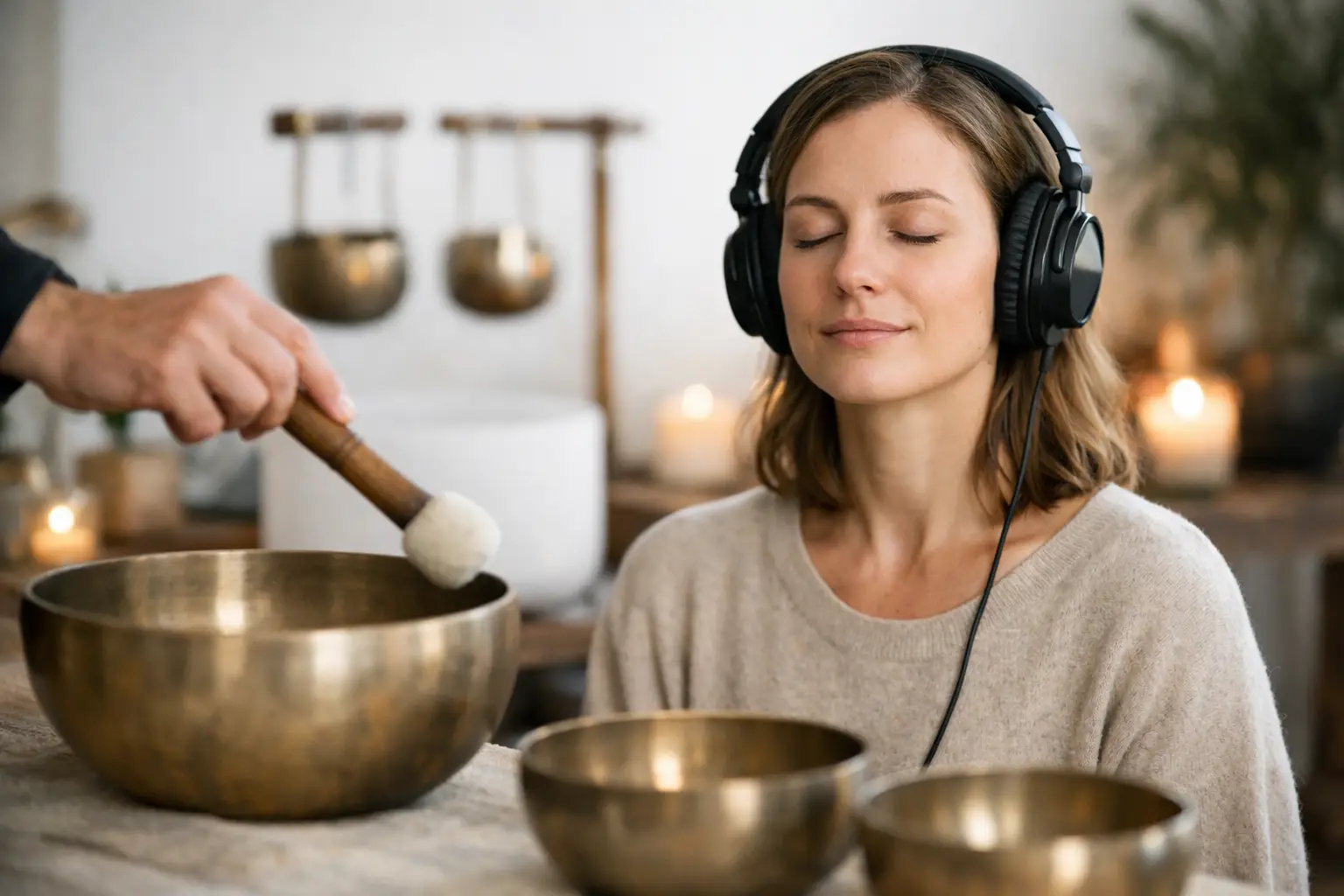
Anxiety rarely shows up politely. It tightens your chest before a meeting, races through your mind at 2 a.m., or leaves your body buzzing long after the stressful moment has passed. That is why sound therapy for anxiety relief has become such a powerful option for people who want a non-invasive, home-based way to calm the nervous system and restore a steadier sense of balance.
For many adults, anxiety is not just mental. It is physical, emotional, and cumulative. You may feel restlessness, shallow breathing, muscle tension, irritability, brain fog, trouble sleeping, or a constant sense that your body is stuck in high alert. Conventional care can help, but many people are also looking for supportive tools they can use daily, on their own schedule, without appointments, equipment, or a complicated routine. Sound therapy meets that need directly.
What sound therapy for anxiety relief is really doing
At its core, sound therapy uses carefully selected frequencies and tones to encourage a calmer internal state. The goal is not to overpower anxiety by force. The goal is to give the brain and body a more stable pattern to respond to, helping shift you away from stress activation and toward restorative balance.
This matters because anxiety often involves dysregulation. The nervous system gets stuck in a loop of vigilance, and the body begins to treat ordinary moments as if they are threats. Sound-based wellness approaches are designed to interrupt that loop gently. When you listen consistently, the auditory system delivers rhythmic input that may support relaxation, reduce mental overactivity, and help create a sense of safety in the body.
That does not mean every sound works the same way for every person. It depends on your sensitivity, your stress load, your listening environment, and whether your anxiety is occasional, chronic, situational, or tied to sleep disruption. But the broader principle is simple: when the body is exposed to soothing, structured frequencies, it may be easier to come out of fight-or-flight mode.
Why anxiety responds to sound
The brain is constantly scanning sound. Even when you are not paying attention, your nervous system is responding to rhythm, tone, repetition, and intensity. Sharp, chaotic noise can keep the body activated. Steady, supportive sound can have the opposite effect.
This is one reason people often feel calmer with certain music, nature sounds, or meditative audio. Sound therapy goes further by using recordings created for a therapeutic purpose rather than general background listening. Instead of simply helping you relax in the moment, targeted sound recordings aim to support deeper regulation over time.
From a complementary wellness perspective, this is where frequency-based listening becomes valuable. Specific frequencies are believed to support the body’s natural return to equilibrium. While research into sound and frequency medicine continues to evolve, the practical appeal is already clear. It is easy to use, affordable, and accessible from home. For people managing daily stress and anxiety symptoms, that combination matters.
The real benefit is consistency, not intensity
One of the biggest misunderstandings about anxiety relief is the idea that stronger always means better. In practice, the nervous system often responds best to regular, manageable support. A short listening session each day can be more useful than waiting until anxiety spikes and then trying to reverse a full stress cascade all at once.
That is why sound therapy works best as a routine, not a rescue tool alone. Yes, it can be helpful in acute moments. But its strongest value often comes from repeated exposure that trains the body toward a calmer baseline. Think of it as creating a healthier pattern rather than chasing symptoms after they escalate.
This daily use model also fits real life. You can listen at home, on your phone, tablet, or computer, while resting, winding down, journaling, or preparing for sleep. There is no travel, no learning curve, and no need to clear an hour from your schedule. For people already carrying anxiety, convenience is not a small detail. It is part of what makes the practice sustainable.
What to expect when you start
If you are new to sound therapy for anxiety relief, the first thing to know is that subtle does not mean ineffective. Some people notice an immediate shift, such as slower breathing, less mental chatter, or a sense of physical ease. Others feel the change more gradually over several sessions as the body becomes familiar with the listening pattern.
You may also find that results vary based on timing. Listening in the morning can help set a steadier tone for the day. Listening in the afternoon may interrupt a buildup of stress. Listening before bed can help if anxiety tends to show up as racing thoughts or difficulty settling down.
There are trade-offs here. If your environment is noisy, your session may be less effective. If you expect a dramatic sensation every time, you may overlook smaller but meaningful changes, like recovering more quickly after stress or feeling less reactive during the day. Anxiety relief is not always loud. Often it looks like less tension, fewer spirals, and a little more room to breathe.
Choosing the right kind of support
Not all anxiety sounds are created with the same level of specificity. Generic relaxation audio can be pleasant, but targeted sound therapy is more useful when it is organized around symptoms, diagnoses, or related wellbeing goals. That structure helps people choose support that matches what they are actually experiencing.
For example, someone dealing with generalized anxiety may need something different from someone whose anxiety is tied to insomnia, emotional overload, panic symptoms, or chronic stress. Caregivers may also be looking for calm-supportive tools for loved ones who cannot tolerate more invasive approaches. In those cases, condition-based selection makes the process more practical.
This is where a focused digital library can make a real difference. Sound Pharmacy, for example, has built its approach around accessible, diagnosis-specific sound recordings that people can download and use at home in short daily sessions. That model reflects what many people want now: targeted support without the friction of appointments, guesswork, or expensive devices.
How to make sound therapy part of your routine
The best routine is the one you will actually follow. Start with a simple window of time when anxiety tends to affect you most. That might be first thing in the morning, during your lunch break, after work, or before sleep. Use the same recording consistently for a period of time so your body has a chance to respond to a stable pattern.
Create an environment that helps your nervous system cooperate. Lower bright stimulation if possible. Sit or lie down comfortably. Let your jaw unclench. Breathe normally. You do not need to perform relaxation. You just need to give your system a chance to receive the sound without extra input pulling it in ten directions.
If you are highly activated, shorter sessions may be easier at first. If you tend to dissociate or feel overstimulated by sensory input, go gradually and pay attention to how your body responds. Sound therapy is supportive, but it should still feel workable for you. Personalized pacing is not a drawback. It is part of effective self-care.
A smart complementary approach, not an all-or-nothing choice
For many people, the most realistic path is not choosing between conventional care and holistic support. It is combining tools wisely. Sound therapy can sit alongside counseling, medication, breathwork, exercise, sleep hygiene, meditation, or other physician-guided care. That flexibility is one of its strengths.
It also gives people back a sense of agency. Anxiety can make you feel like your body is running the show. Daily sound sessions create a repeatable action you can take to support your own regulation. That shift matters. Relief is not just about symptom reduction. It is also about feeling less powerless in your own healing process.
There is no single solution that works for every nervous system. Some people need broad stress support. Others need highly specific symptom-based tools. Some feel results quickly, while others build momentum through consistency. What matters is choosing a method you can use, trust, and return to when life gets loud.
If anxiety has been asking too much of your body for too long, sound therapy offers a gentle way to answer back with steadiness. Sometimes the next helpful step is not doing more. It is giving your system the right signal, often enough, to remember how calm feels.